How SAS is Leading the Conversation on AI and Learning
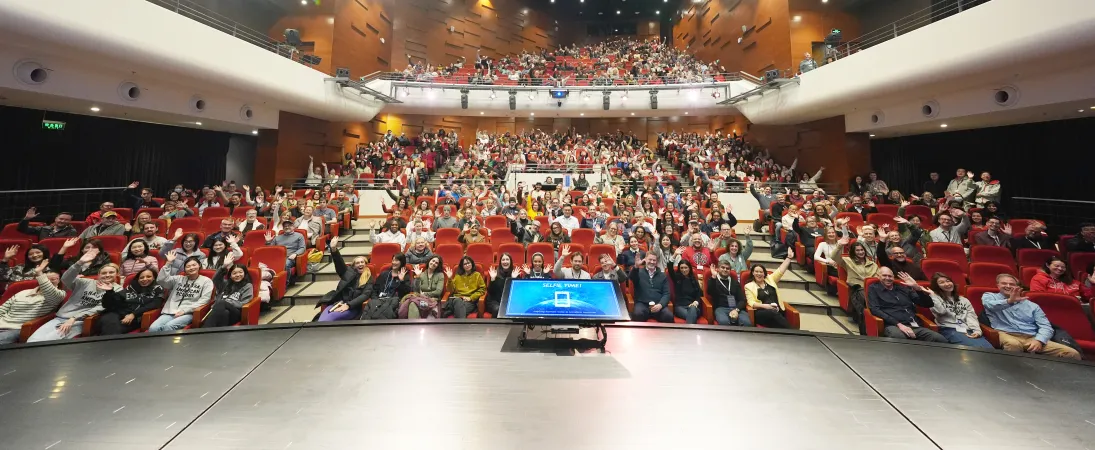
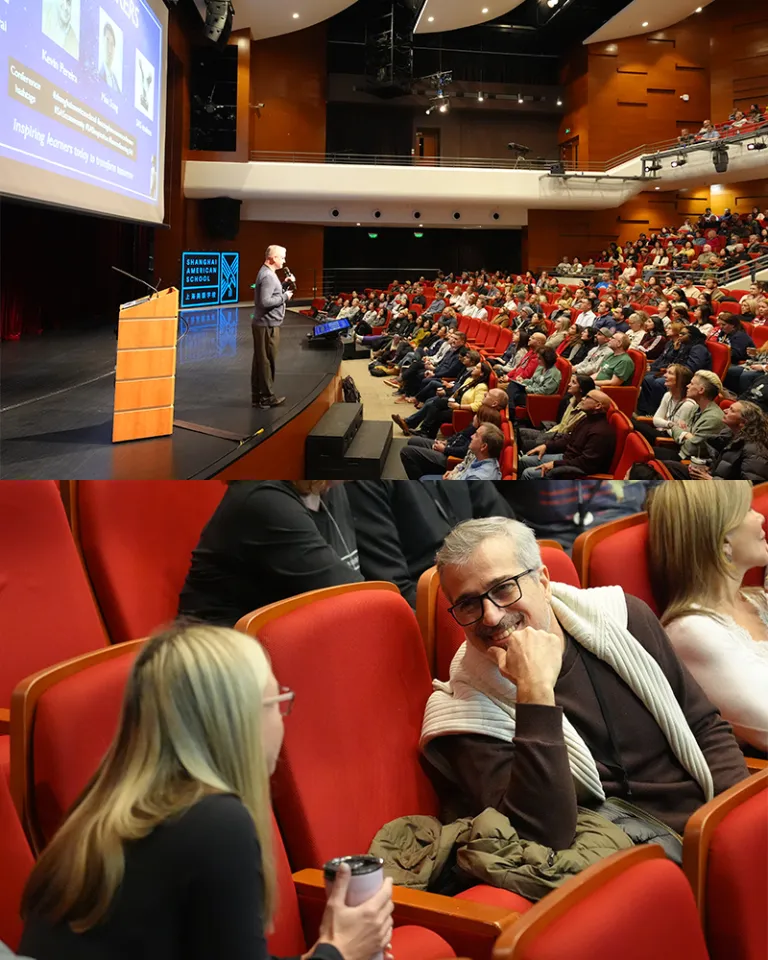
Shanghai American School recently hosted its second Seizing the Moment: Inspiring Learners Today to Transform Tomorrow conference, welcoming more than 600 educators from SAS and peer schools across the region for two full days of professional learning and collaboration. With over 100 breakout sessions led by 83 SAS presenters, more than 20 student presenters, and over 5,000 total hours of professional learning, the conference reflected SAS’s deep and ongoing commitment to educator growth and, presumably, resulted in record-breaking coffee consumption.
“Our focus last year was about opening minds and building excitement about AI,” said Renée Couturier, Head of Educational Programs. “This year, the conversation has moved forward. Teachers are now asking, ‘How do I use this technology well for my students?’ rather than ‘Should I use this at all?’ It shows how far our community has come in a short time.” Rather than waiting for answers, SAS is taking an active role in shaping how AI fits into everyday teaching and learning.
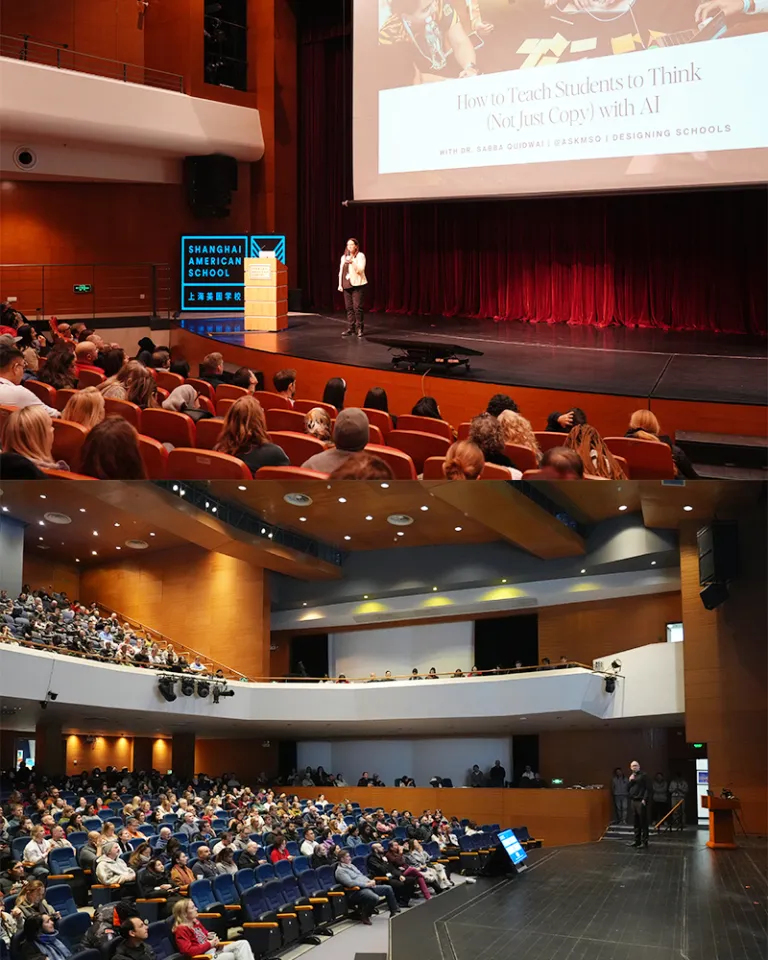
The conference featured three keynote speakers who each offered their perspectives on the evolving relationship between humans, technology, and education. Educational innovator and CEO of Designing Schools Sabba Quidwai challenged educators to view artificial intelligence not as a replacement for thinking, but as a partner in the learning process. “AI should not replace people. It should elevate them,” Quidwai said. “When we treat AI as a teammate rather than a shortcut, we create space for deeper thinking, creativity, and human connection.”
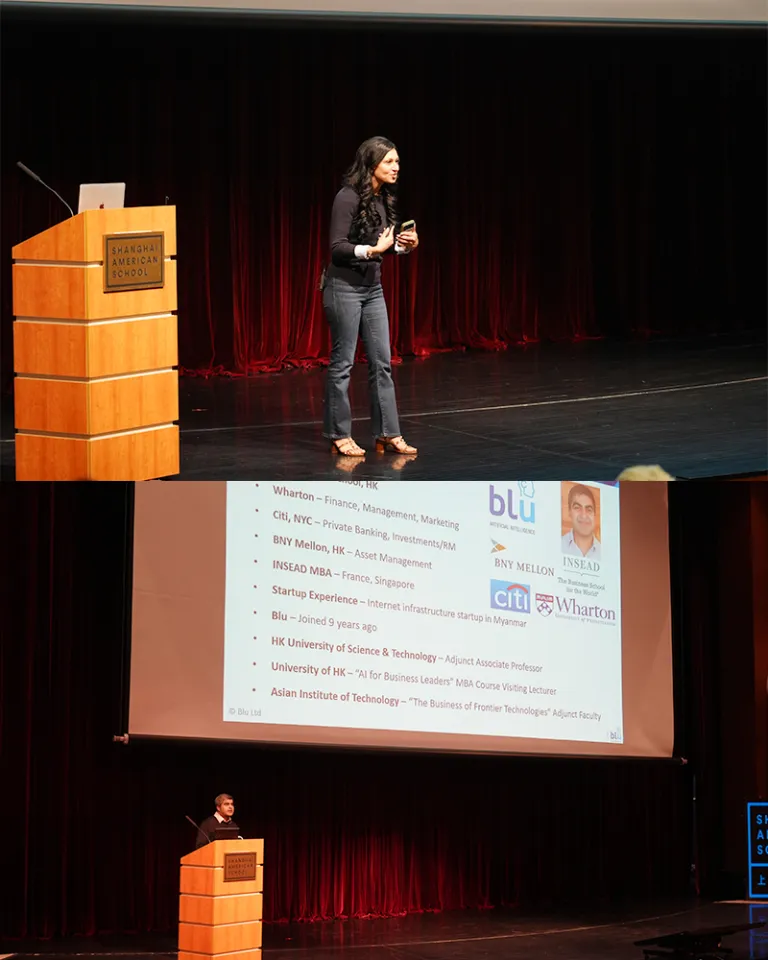
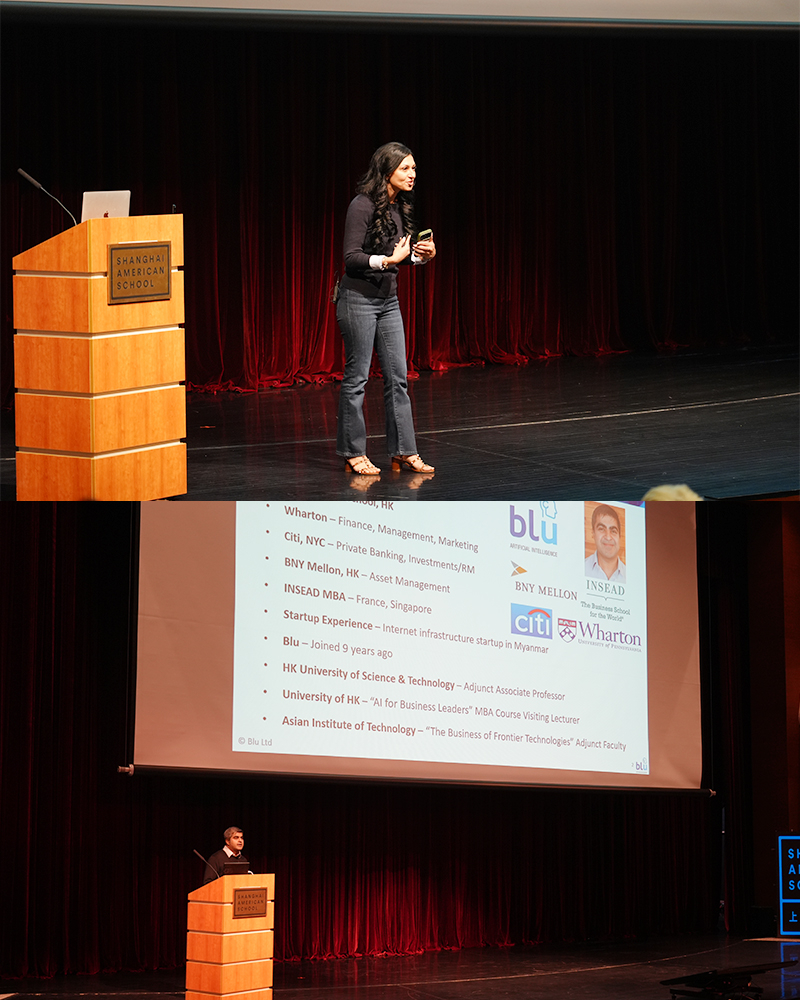
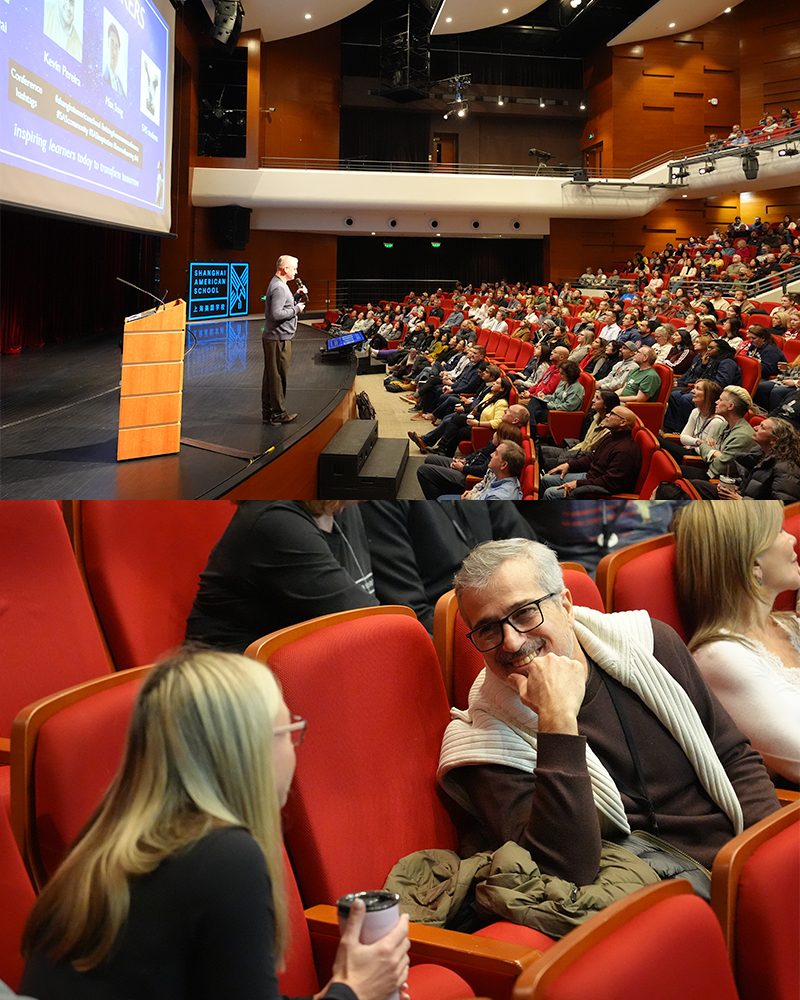
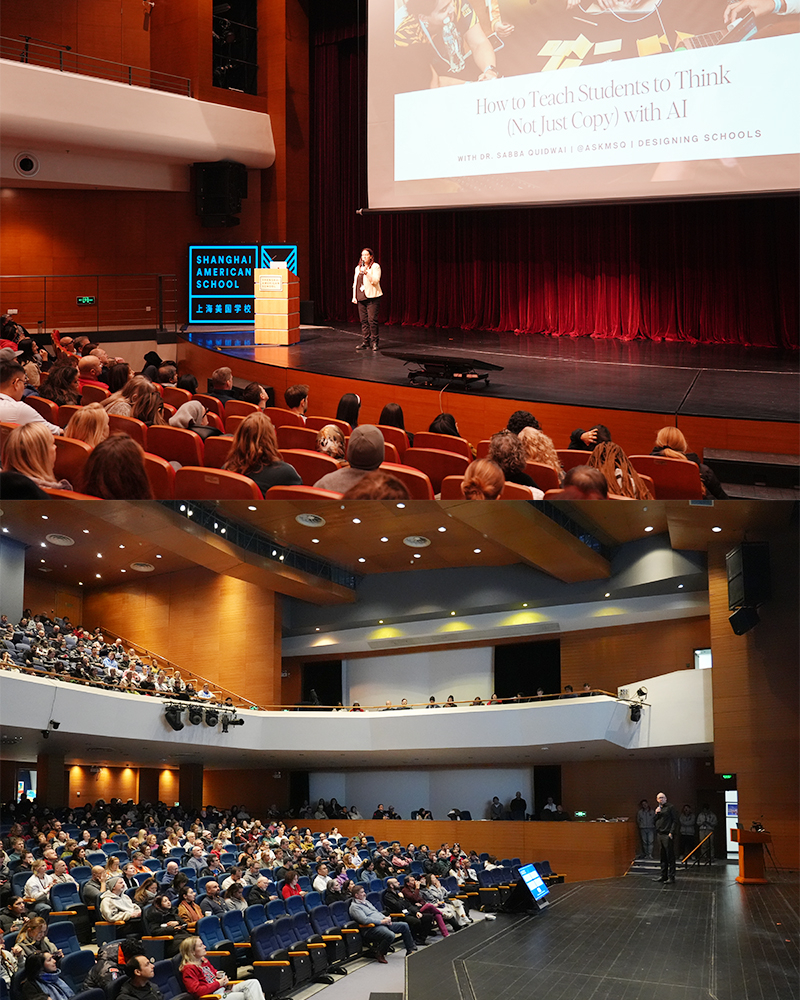
As classrooms begin to look more like the real world of work, questions about how students use AI are becoming just as important as what they produce. Kevin Pereira, an AI consultant and educator from Blu Artificial Intelligence, urged teachers to look beyond finished products and instead pay attention to the thinking behind them. “In the future, what will matter most is not just what students create, but how they create it,” Pereira explained. “We need to help them understand their process, their decision making, and how to use these tools responsibly.” His message reframed assessment as an opportunity to value reasoning and judgment in an age when answers are easy to generate.
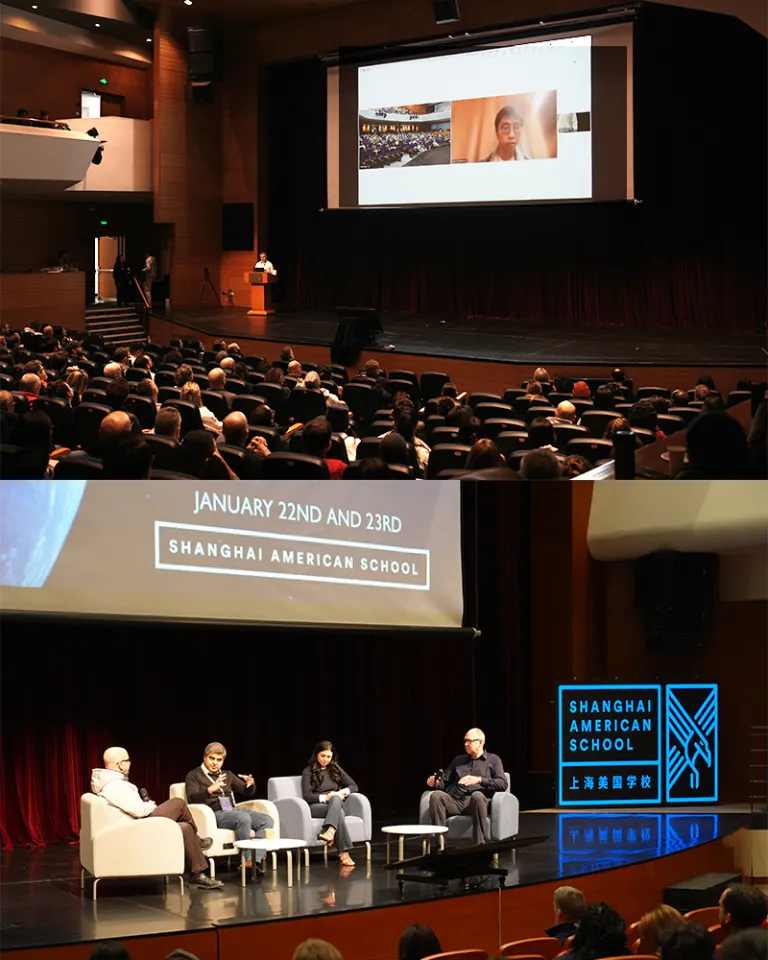
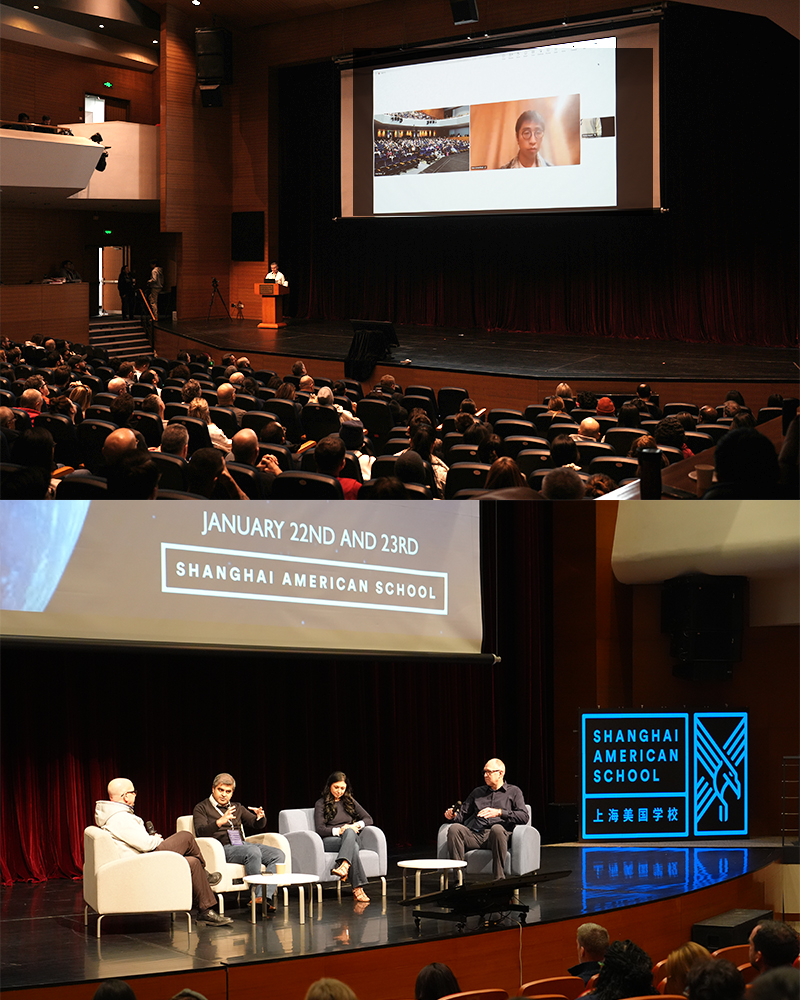
Joining the conference virtually from the World Economic Forum in Davos, an alumnus from the Class of 2010 and Entrepreneur in Residence at Strikeforce, Max Song drew on his experience as an entrepreneur and investor in technology and sustainability. He also reflected on how his time at SAS prepared him to navigate complexity and change. “The world my classmates and I entered after graduation looks very different from the one students are entering now,” Song said. “We have to continue to change, innovate, and push the boundaries and prepare our kids for the world that they will enter as adults.”
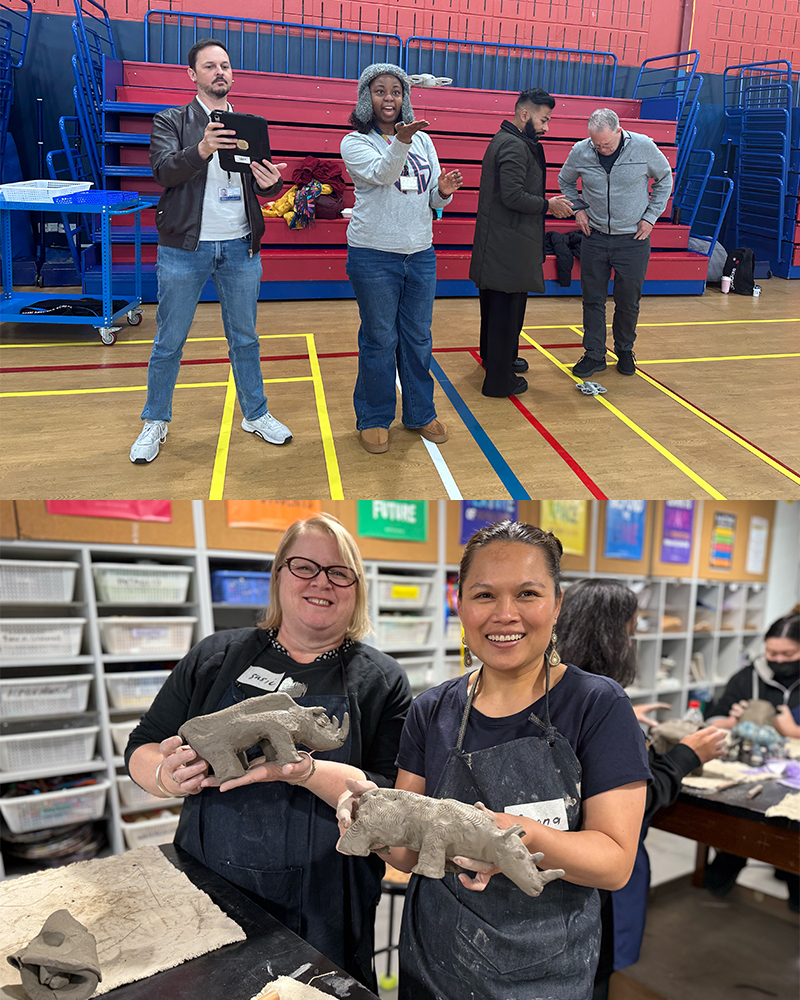
In addition to keynote sessions, teachers facilitated more than 100 workshops and breakout sessions across both campuses. Topics included classroom applications of AI, design thinking, interdisciplinary learning, assessment, and student wellbeing. There were even opportunities to fly drones, play with all the high-tech gadgets on hand here, and take a wellbeing break to make pottery with ceramicist Vivien Lightfoot.
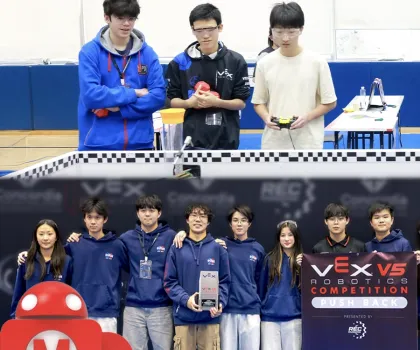
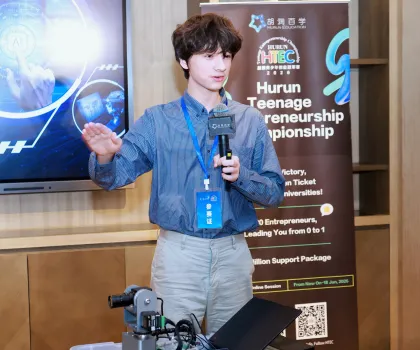
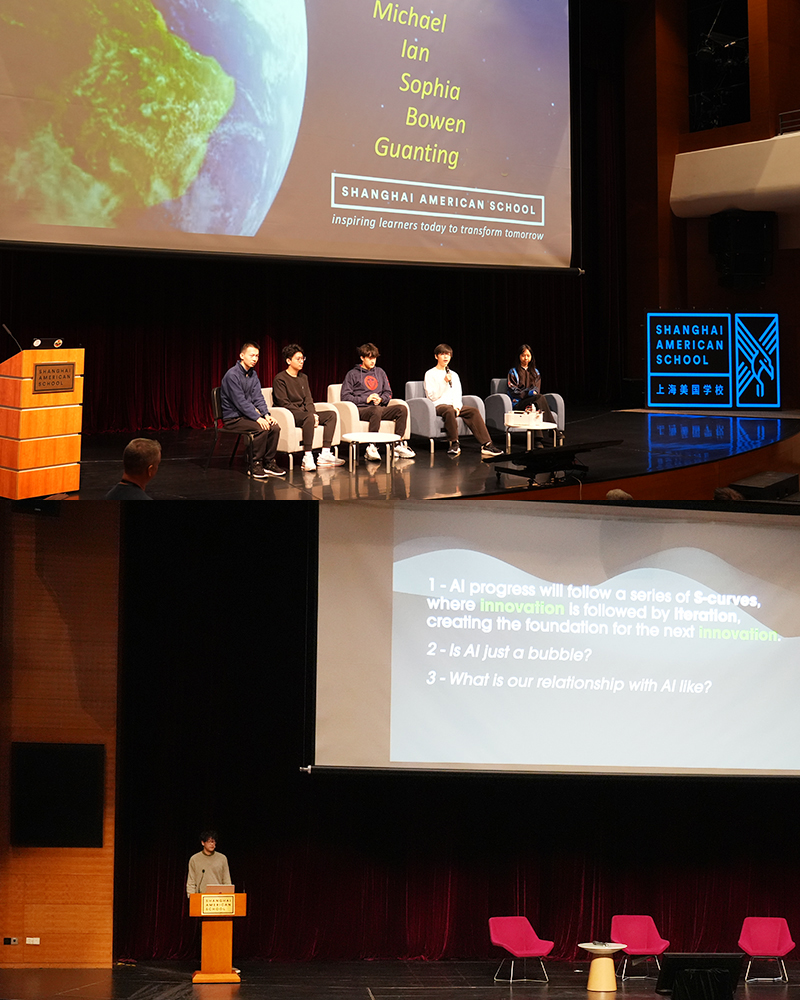
Student voice was also a defining feature of the conference. More than 20 current students led breakout sessions, presented projects and participated in panel discussions, sharing how technology shapes their learning and how they envision their future in an AI-influenced world. Their contributions offered a useful reality check. The people most affected by these tools are already using them, often more fluently than the adults in the room.
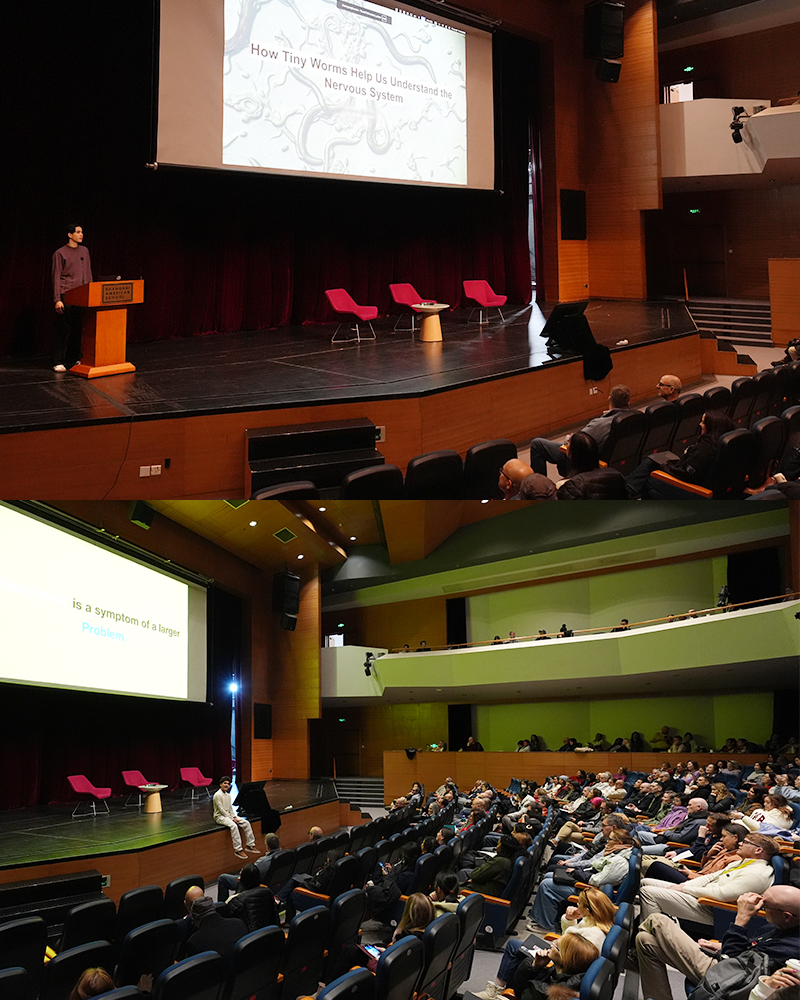
For Renée Couturier, Head of Educational Programs, the conference reflects a broader commitment to professional learning. “SAS is a learning organization,” she said. “These days reflect who we are and what we value. We are fortunate to have the time, expertise, and resources to create experiences like this for our educators. We are very excited that this year we opened the conference to others schools to have collective learning. We want to continue being a place where educators come not only to teach, but to learn.”
Across all keynote sessions and workshops, a shared message emerged. AI should be used as a thought partner, not a shortcut. Technology can support deeper thinking, but it cannot replace human judgment, compassion, or creativity. Nor can it replace the distinct human patience required to teach a room full of teenagers.
The Seizing the Moment conference affirmed that while tools and technologies will continue to evolve, SAS’s commitment to learning remains constant. By pairing innovation with strong values and by investing meaningfully in its educators, SAS continues to prepare students for meaningful participation in an increasingly complex world and positions itself as a leading center for professional learning.