SAS Partners with Challenge Success
At Shanghai American School, student success has never been just about GPAs and college acceptances. Equally important is student wellbeing: ensuring students are getting enough sleep, helping them manage stress in healthy ways, and ensuring they feel a strong sense of belonging in the places where they spend most of their day. Over the past three school years, SAS has deepened that commitment through its partnership with Challenge Success, a nonprofit organization based at Stanford University that studies what school actually feels like from a student’s point of view.
“Challenge Success is focused on helping schools better understand the lived experience of their students,” said Dr. Wiley. “When students feel a strong sense of wellbeing, engagement, and belonging, they are more likely to be academically successful and personally successful as well.”
The partnership began in the 2022–23 school year with schoolwide surveys designed to better understand students’ experiences. SAS has continued to do these surveys every two years to analyze trends and guide action. This year’s work built on that foundation and included two on-campus events that brought students, parents, and faculty together to listen, learn, and collaborate.
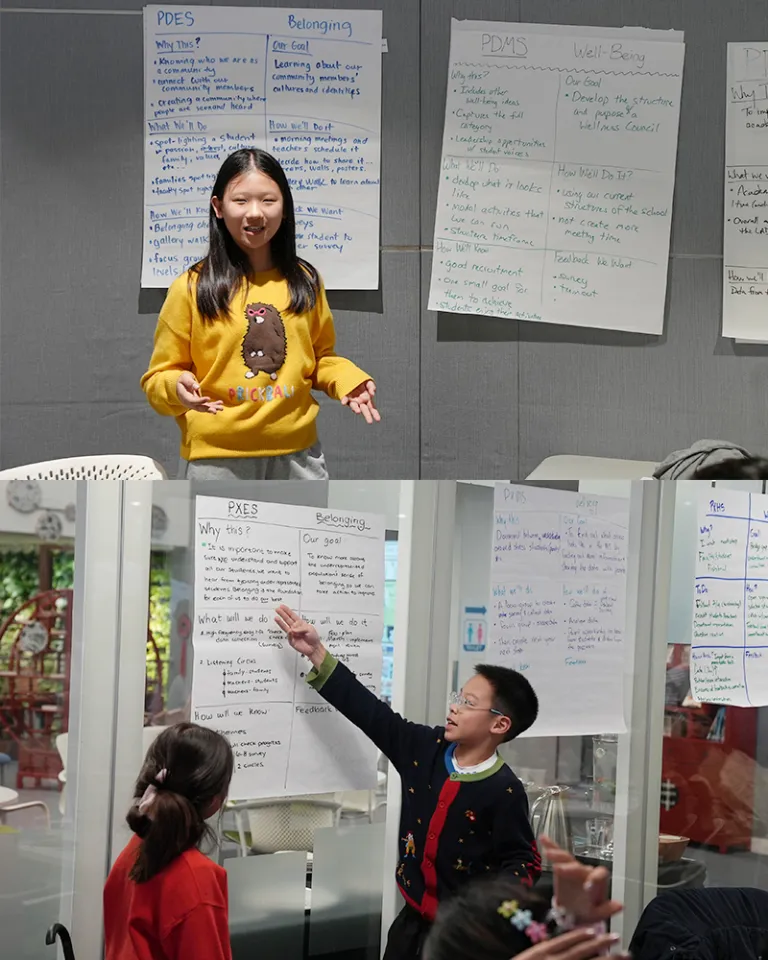
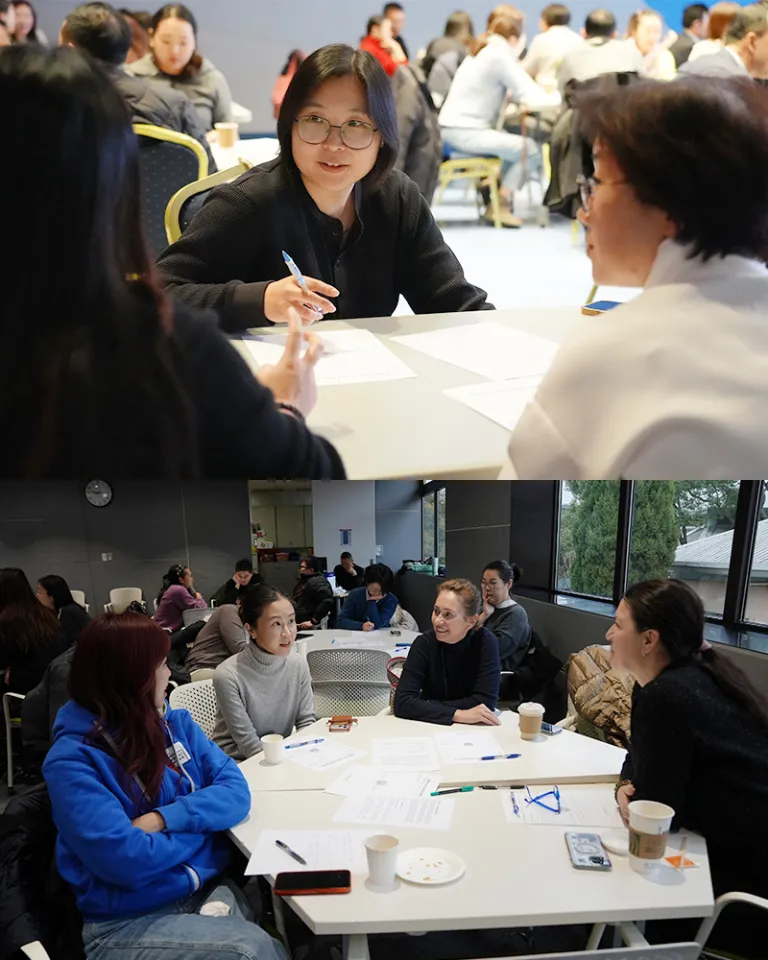
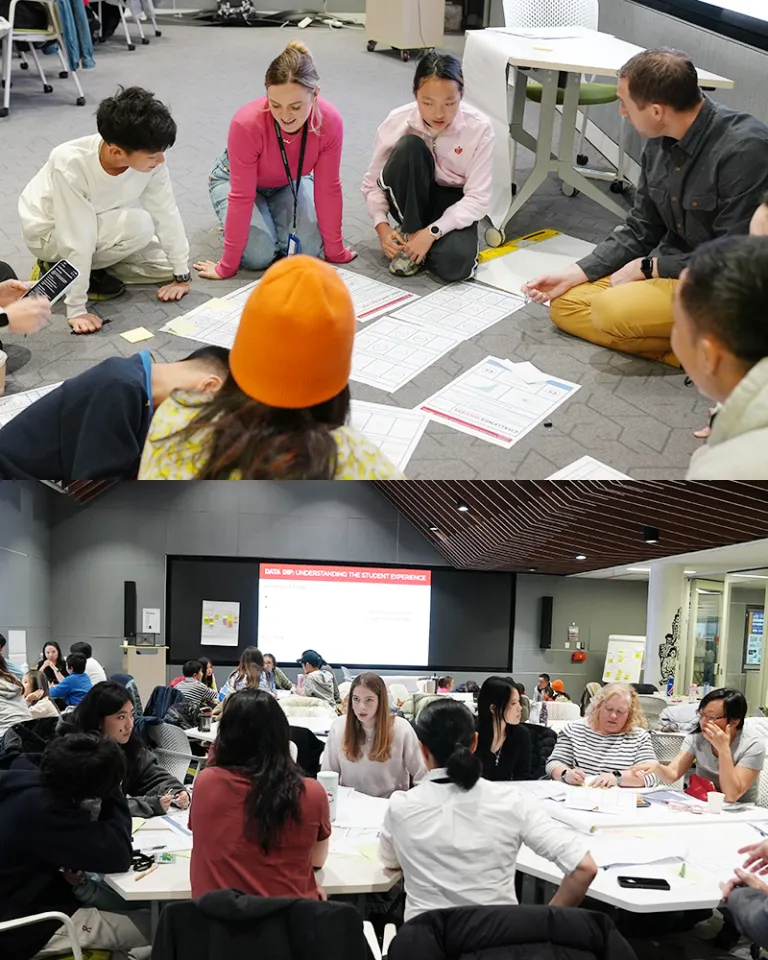
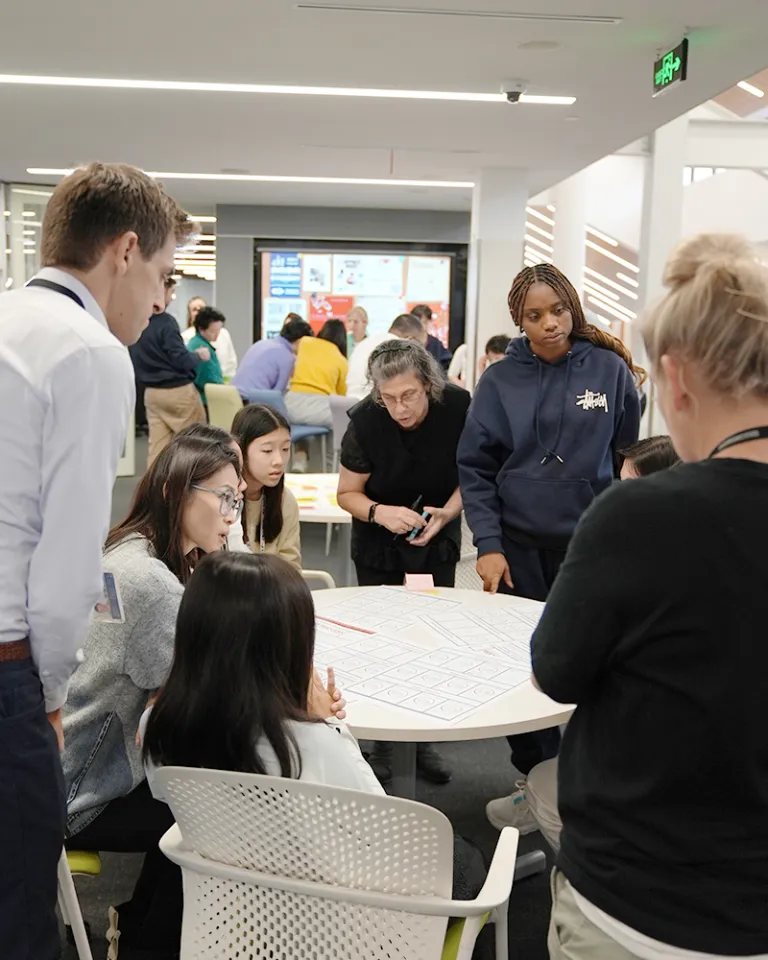
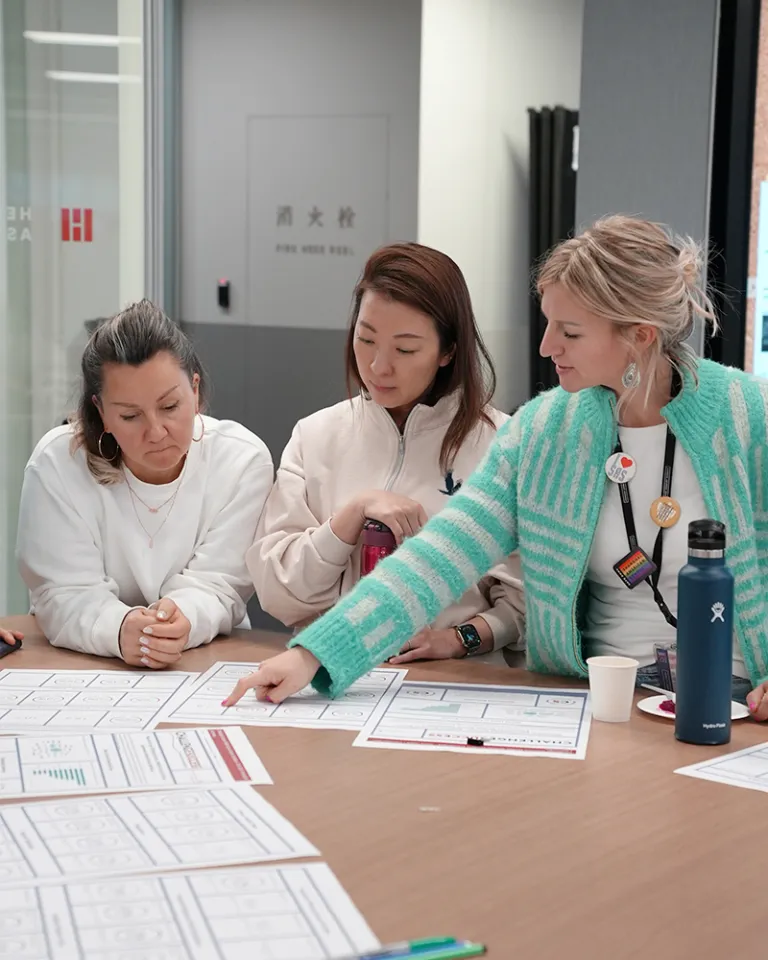
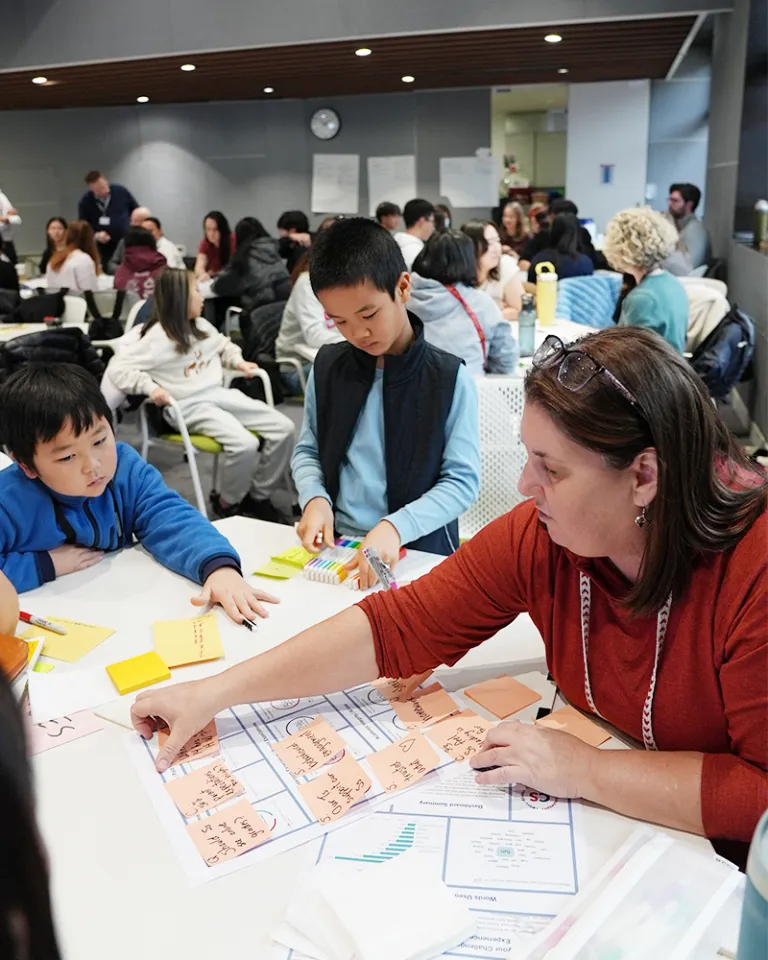

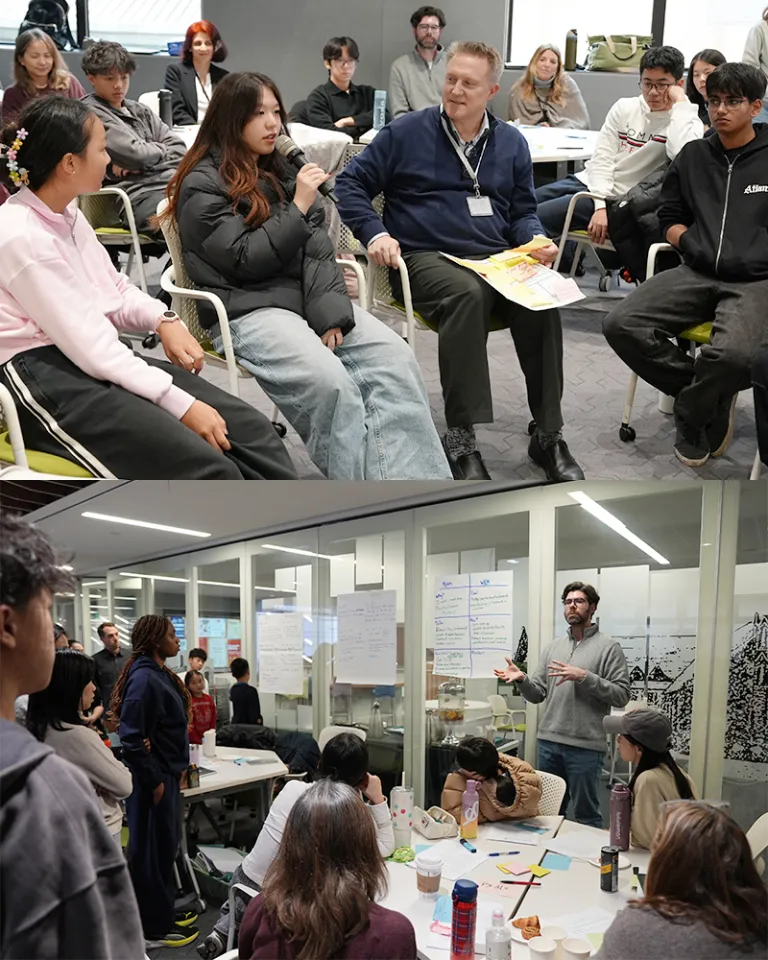
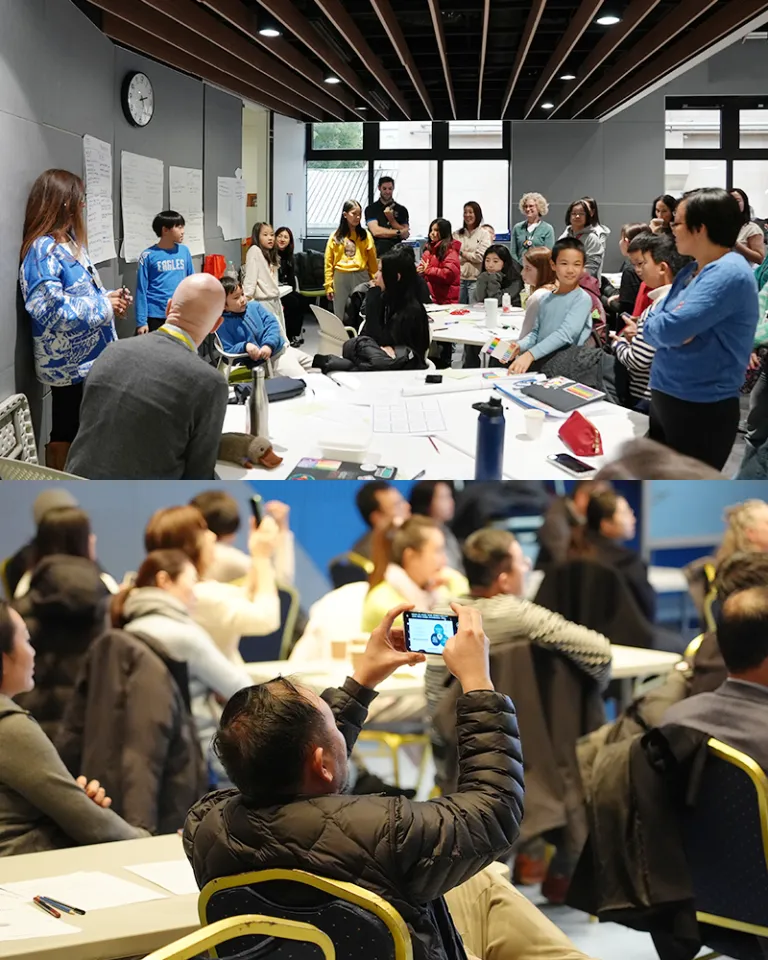
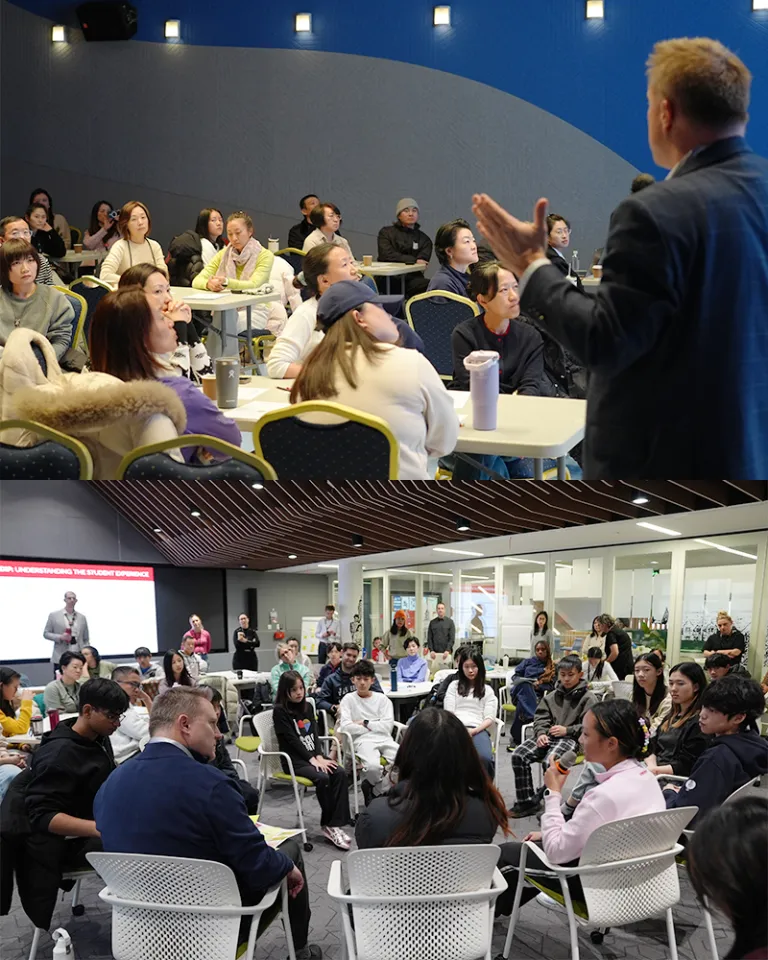
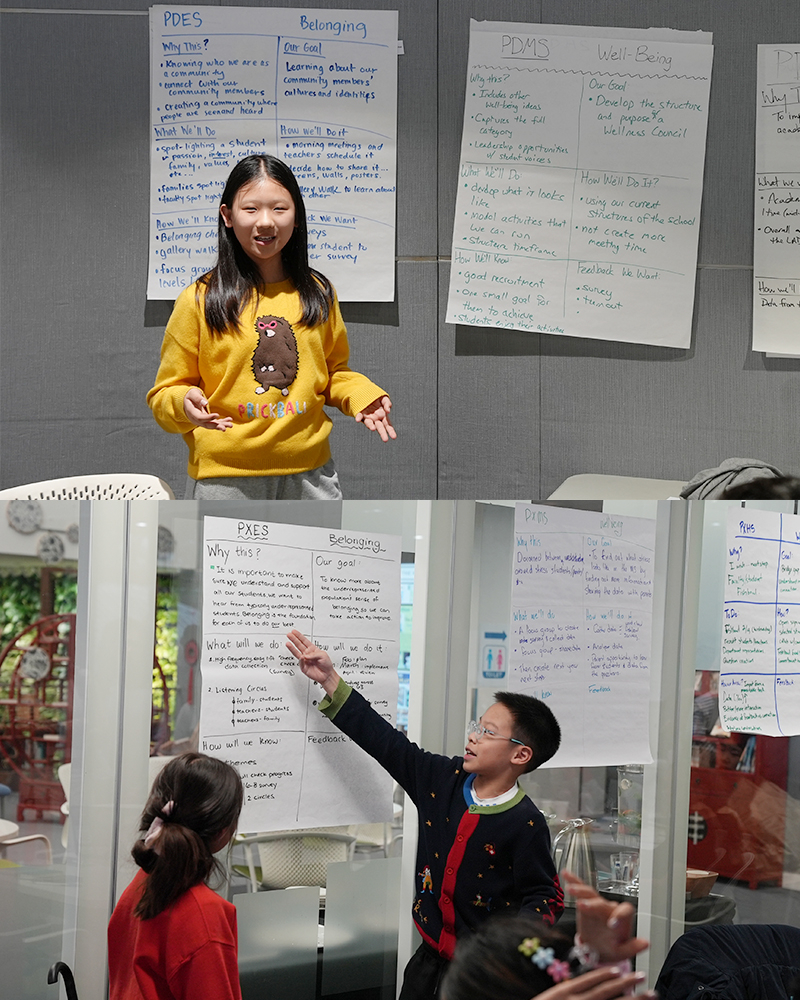
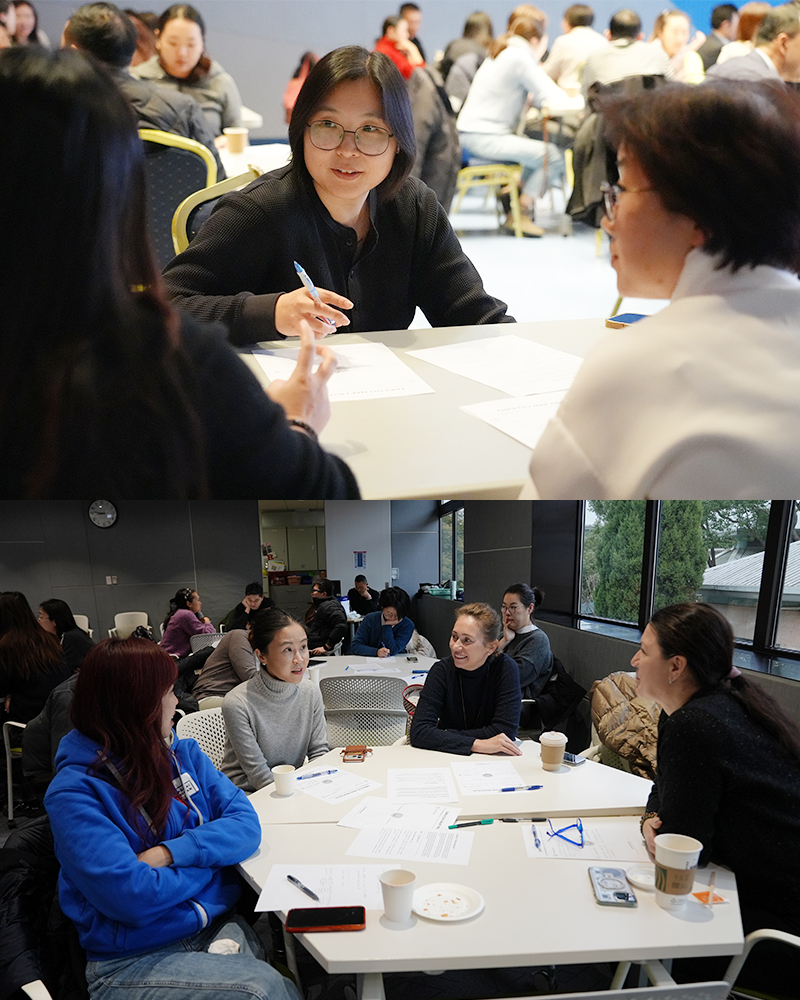
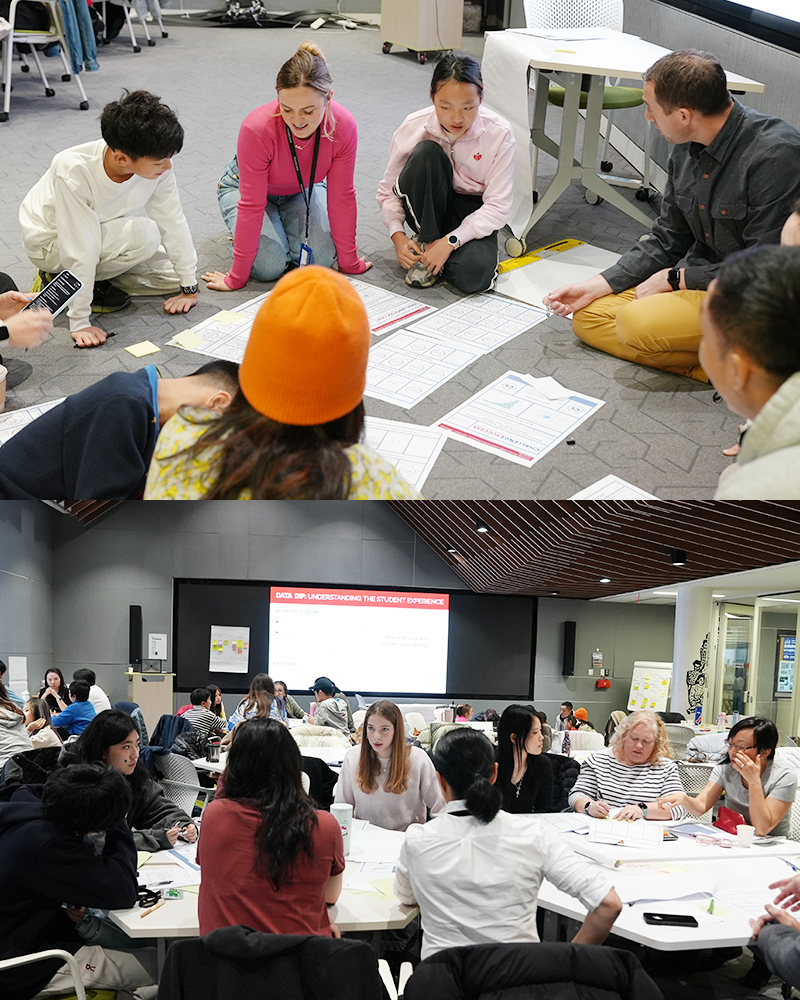
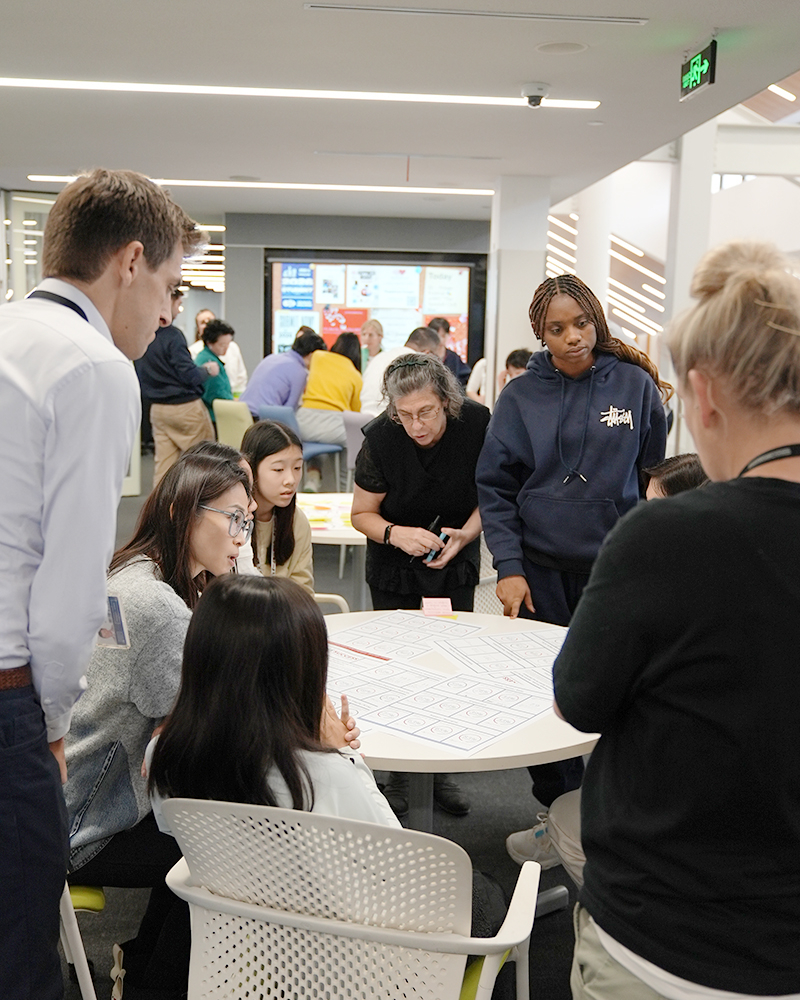
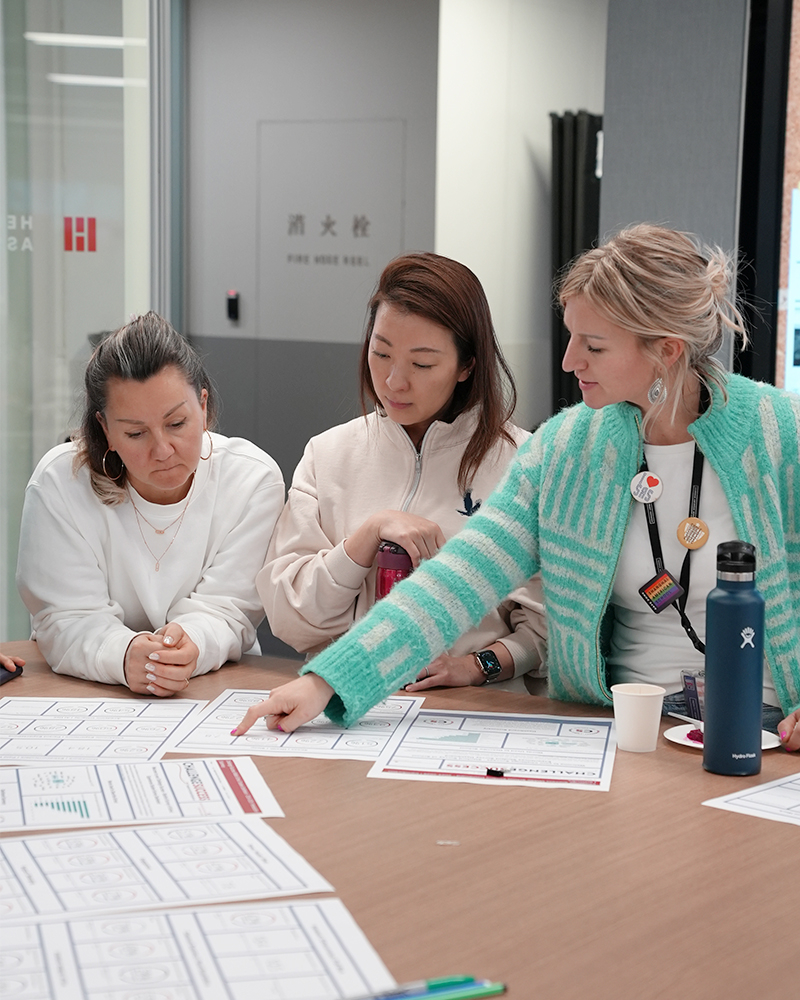
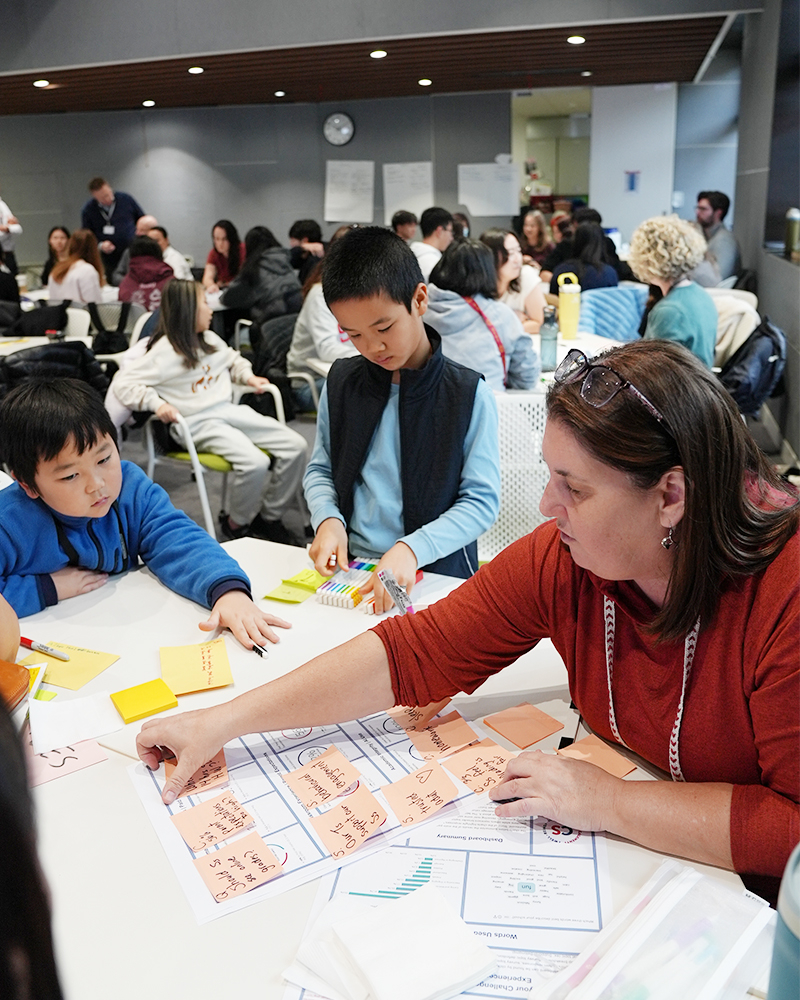
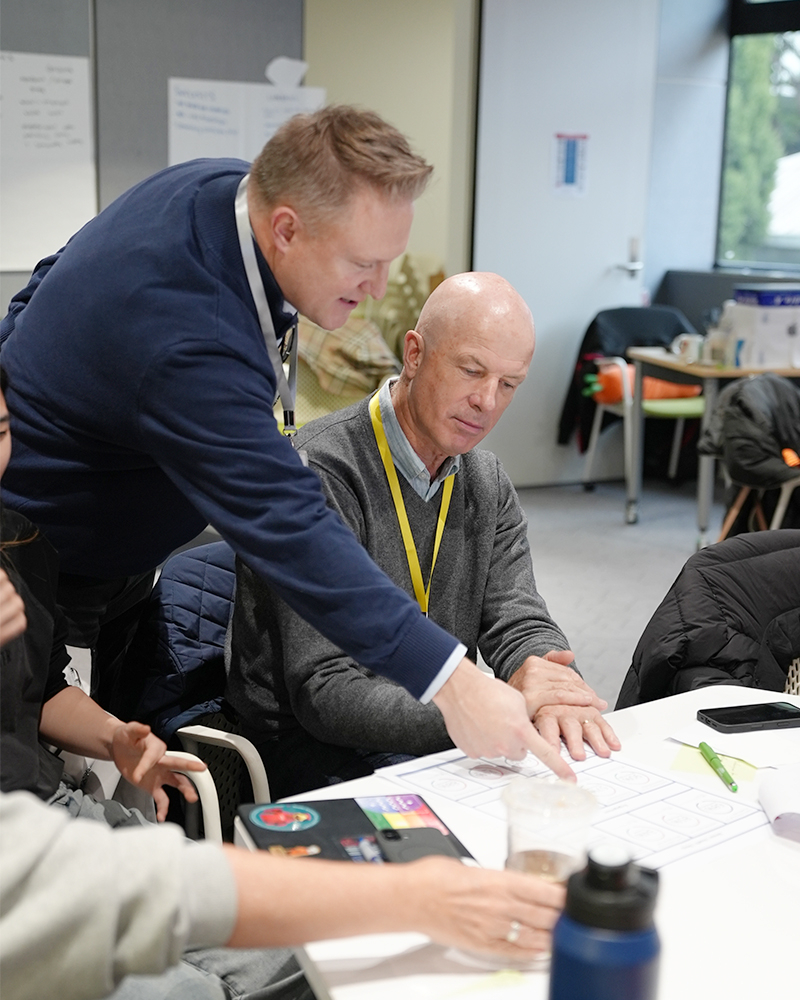
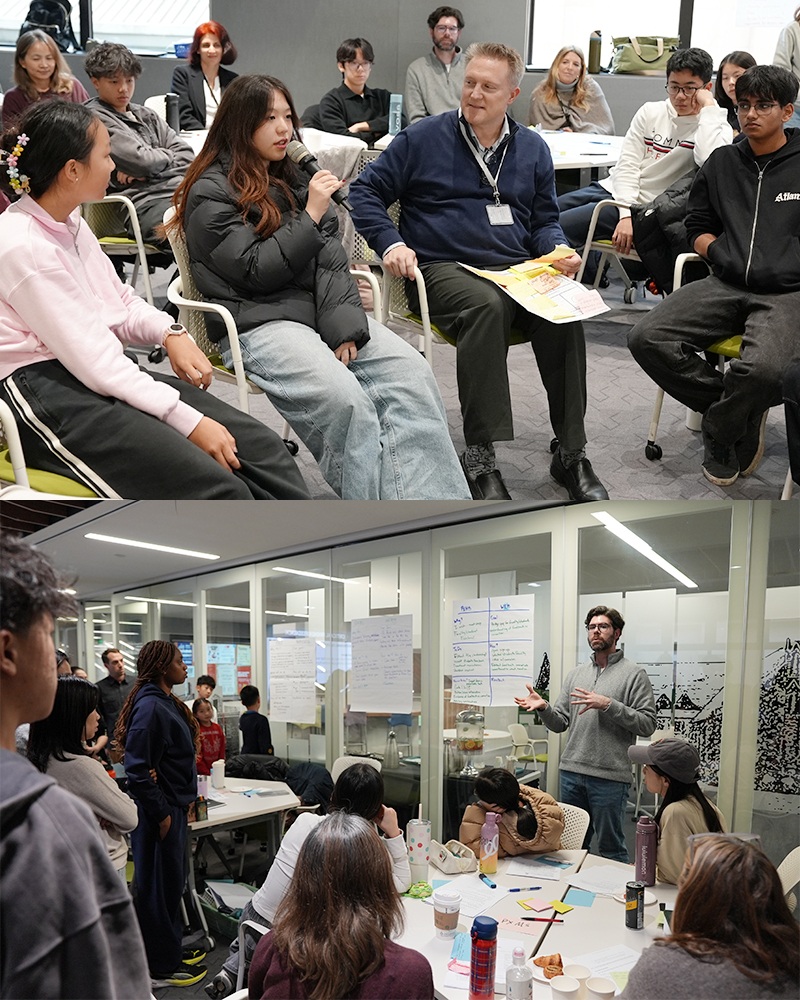
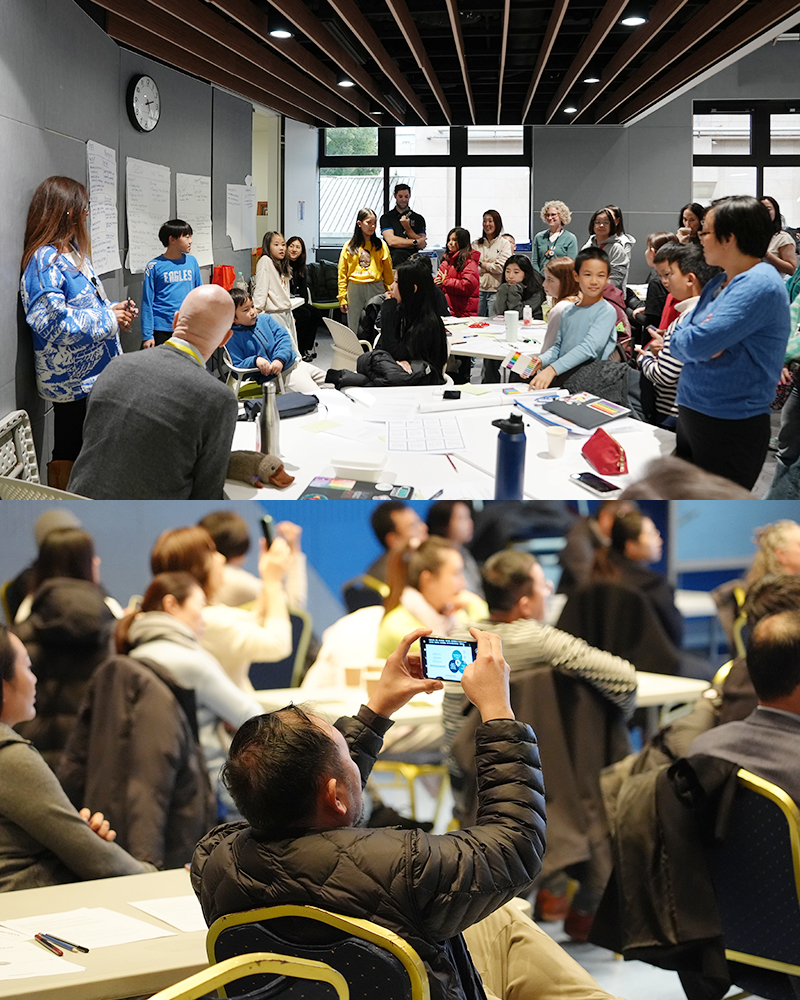
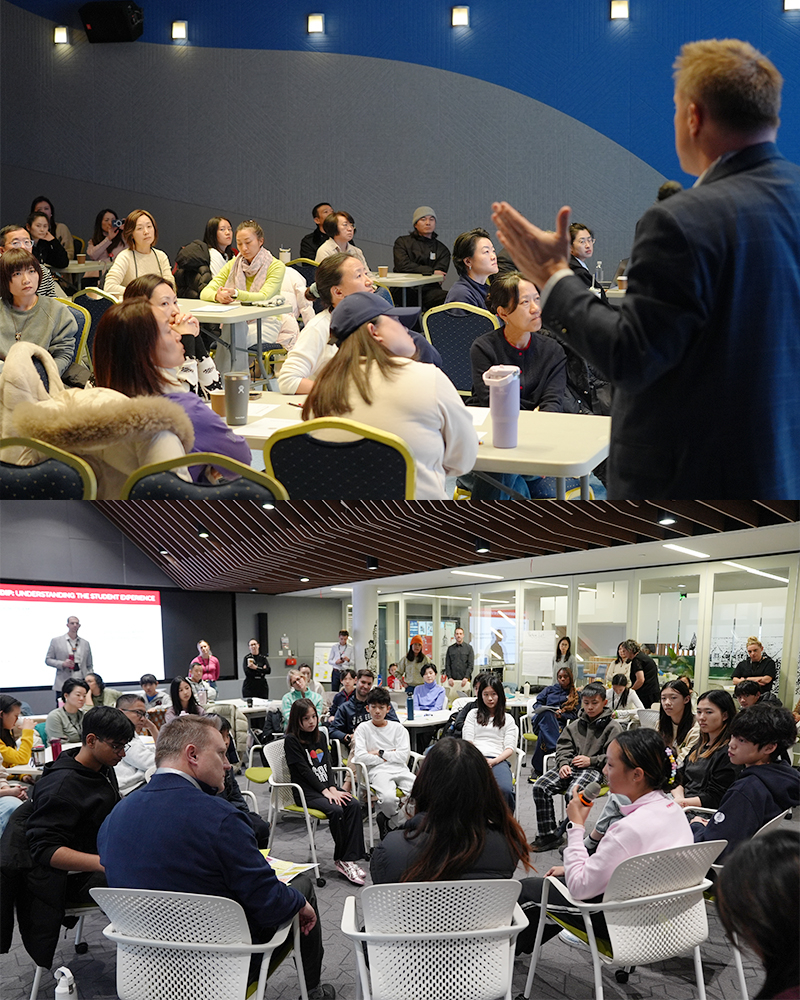
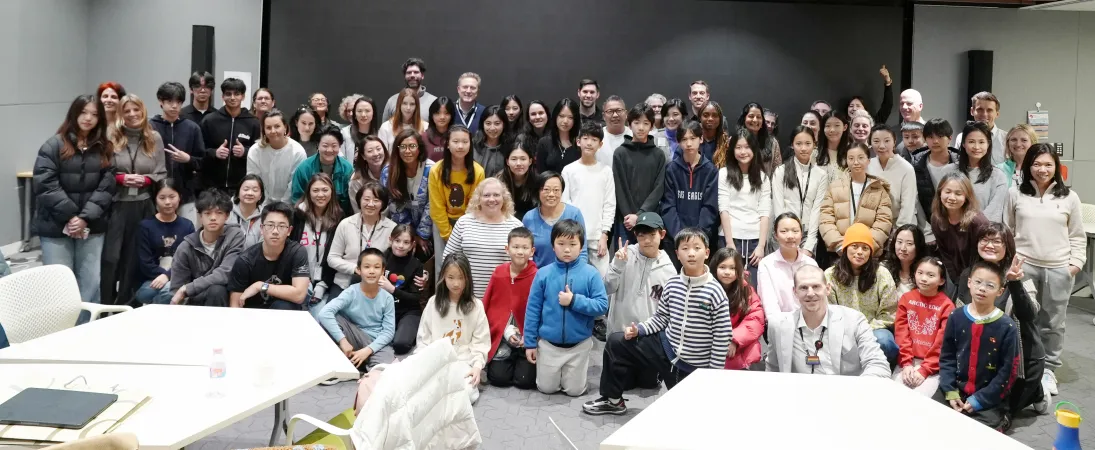
First, SAS hosted the Cross Community Impact Summit, facilitated by Challenge Success consultant Dr. Brandon Wiley. Teams of students, parents, and teachers from all six divisions came together to explore how SAS can better support students through practical, community-driven strategies.
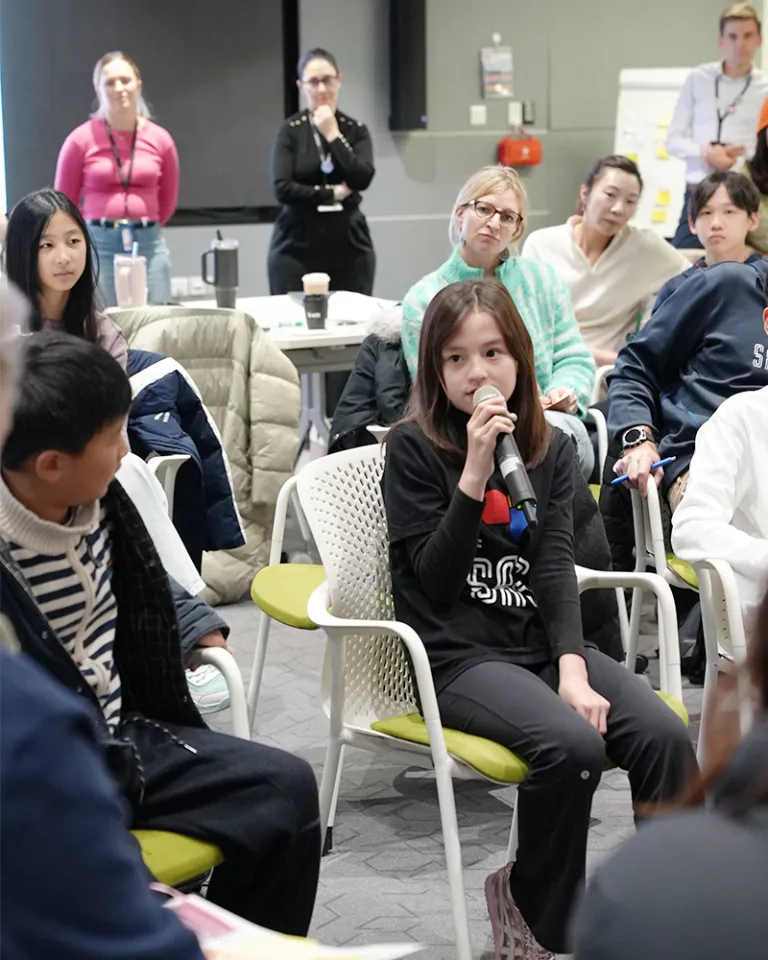
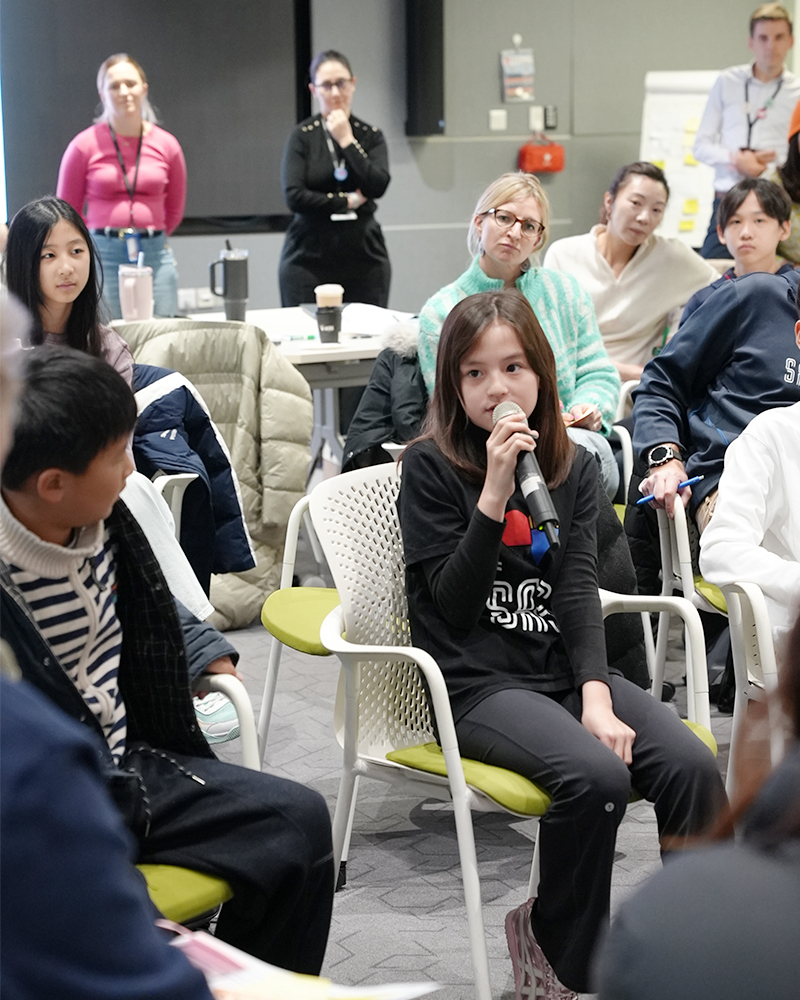
A highlight of the summit was a student “fishbowl” discussion, where students spoke openly about stress, trusted adults on campus, and what helps them feel supported. Their reflections helped shape the priorities of each cross-divisional team and reinforced the importance of centering student voice in school decision making.
“SAS students are incredibly thoughtful and reflective,” Dr. Wiley added. “Their willingness to share honestly and propose solutions shows what is possible when we truly listen to them.”
The following day, parents participated in Challenge Success’s workshop, Navigating Stress Together, which focused on student stress and healthy coping strategies. More than 120 parents attended, reflecting strong community interest in supporting children’s wellbeing at home and at school.
Nathalia Khayat de Andrade, a parent of two SAS students, said the session helped her rethink how families respond to stress. “It was really helpful to learn how to respond to my kids and identify if they are getting stressed,” she shared. “I learned about giving them downtime after school, asking open-ended questions, and trying not to pass on our own stress to our children. It was reassuring to know we’re doing something positive and that we can always improve.”
According to Nigel Holdsworth, Director of Student Support at SAS, the partnership creates space for the entire community to work together. “What we value about this process is that it brings students, parents, and faculty into the same conversation,” he said. “Often those voices are separated. This work helps strengthen the partnership between families and the school around student wellbeing, engagement, and belonging. This allows us to build a shared understanding of what that looks like at SAS and how we can strengthen them together.”
Insights from Challenge Success data have already informed tangible changes across divisions, including more opportunities to support student engagement and cognitive load. At the high school level, student-led initiatives have also focused on raising awareness about the importance of sleep and healthy life balance.
Each division now has a Challenge Success coached faculty Liaison who leads a cross-community member team focused on designing initiatives based on student input and survey findings. This approach is designed to build internal capacity so that the work of better supporting students continues as an ongoing part of school life.
Through its work with Challenge Success, SAS is strengthening its culture of collaboration among students, parents, and educators. The conversations that began during these sessions are helping shape a more connected school community, one where student perspectives are not only heard but used to guide meaningful action.